M&M
The U.S. economy is currently operating in a mixed environment. Consumer spending remains solid, helping support moderate growth. However, inflation concerns, and the Federal Reserve’s monetary policy adjustments are weighing on financial markets. The July 2025 jobs report showed only 73,000 new jobs—below expectations—highlighting a slowdown in hiring. Sectors like healthcare and social assistance continue to perform well, but broader labor market momentum is softening.
Ongoing trade tensions and tariffs are pressuring U.S. businesses through higher input costs and supply chain disruptions. These frictions are contributing to global market uncertainty. Simultaneously, the growing federal deficit—driven by increased government spending—is pushing the Treasury to issue more debt. As a result, borrowing costs are expected to rise, with investors likely demanding higher yields on U.S. government bonds. This dynamic could further strain the federal budget and increase interest payments on existing debt.
If stagflation emerges—characterized by slow growth and high inflation—rising oil prices could worsen the economic backdrop. Higher energy costs would feed into production and transportation expenses, while stagnant wages could erode consumer purchasing power. Policymakers would face a difficult balancing act between containing inflation and supporting growth.
With inflationary pressures and uncertain growth prospects, markets may see increased volatility. Investors may rotate into defensive sectors like utilities, healthcare, and consumer staples. Growth-oriented sectors may face challenges as rising costs compress margins and dampen earnings expectations.
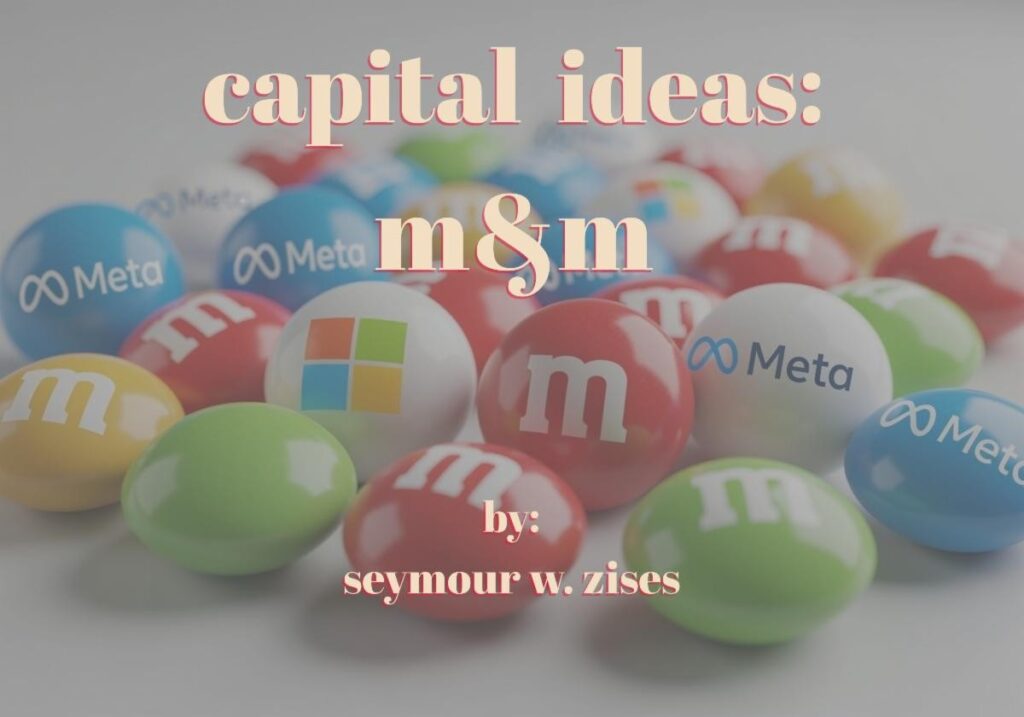
Microsoft and Meta released strong earnings this past week. Microsoft reported $76.4 billion in revenue for its fiscal Q4 2025, driven largely by Azure’s continued expansion. Meta exceeded expectations with $47.52 billion in Q2 revenue and raised its forward guidance, prompting a 12% gain in its stock. Both companies underscore ongoing strength in cloud computing and digital advertising.
The upcoming midterm elections and New York City mayoral race are likely to influence both national policy and local economic direction. A Democratic shift in the House could alter fiscal priorities and regulatory frameworks, while NYC’s next mayor will impact key issues like housing, public safety, and urban development. Both developments may shape investor sentiment and business planning.
“The economy is a practical and moral challenge, to serve humanity and ensure that scientific progress improves the quality of life for all.”
—Albert Einstein
Let’s hope that all our scientific progress these days improves each and every life on the planet everyday. Enjoy the rest of the summer.
As Always,
Seymour W. Zises